


A Gantt chart is an extraordinary tool for those trained to read it. For almost everyone else on a project, including many of the people who make the biggest decisions, it is a wall of bars. They nod at it. They rarely interrogate it. And so the sequence assumptions that will shape the next two years of work go largely unexamined.
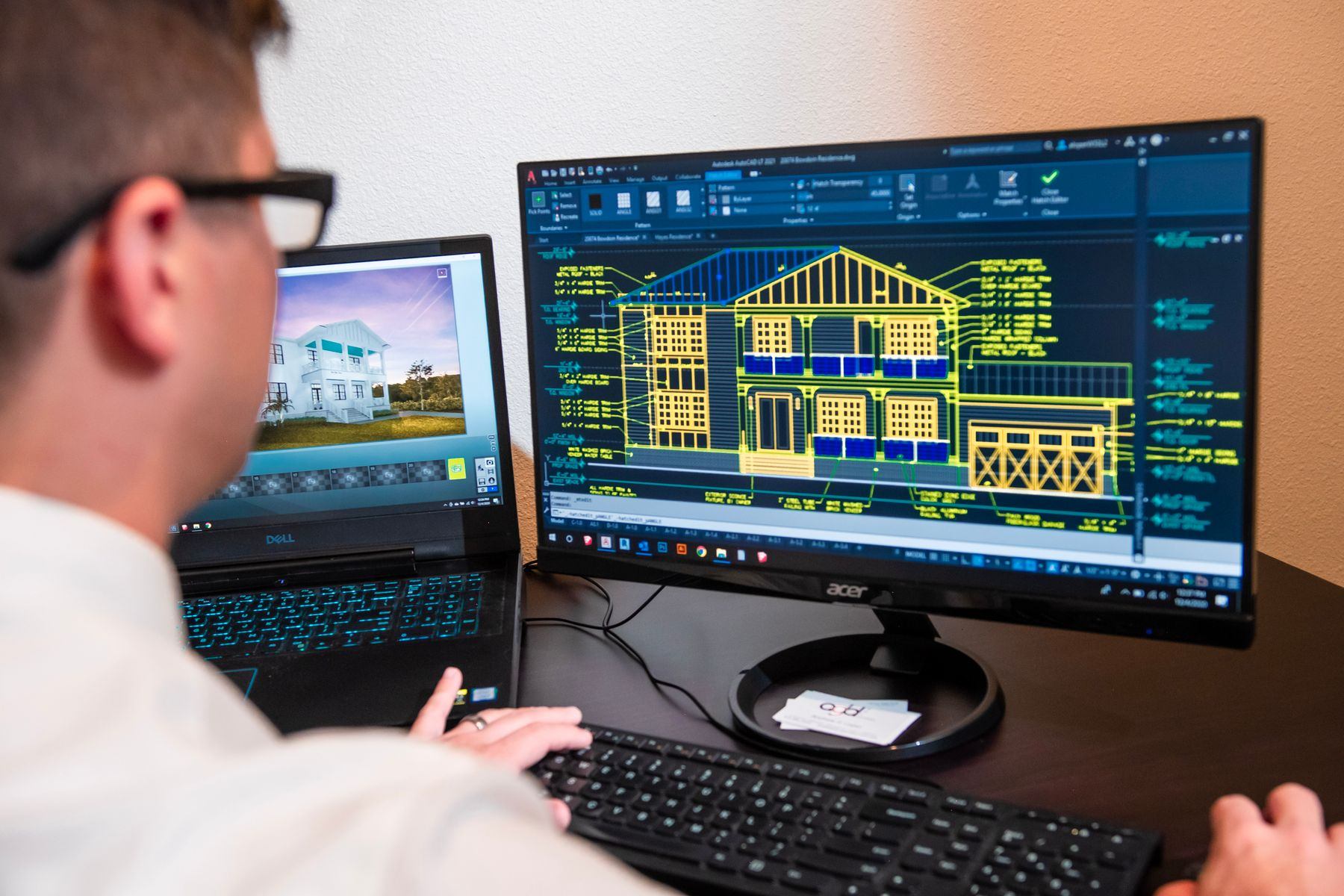
4D planning changes that. By linking the elements of a design model to the activities in the schedule, it shows the project being built over time. Structure rises in the order the logic says it will. Cranes move. Zones open and close. For the first time, everyone in the room is looking at the same plan in a form they can understand.
What 4D reveals that a schedule does not
The value of 4D is not the animation. It is what the animation exposes. When a sequence is visualized against the actual geometry of the work, problems that are invisible in a bar chart become obvious within seconds.
- Trades scheduled to work in the same space at the same time
- Access routes blocked by work that the schedule shows as unrelated
- Crane reach and laydown conflicts as the structure rises
- Temporary works and protection missing from the plan
- Handover zones that are not actually complete when the schedule says they are
Each of these, found on screen, costs an hour of planning to fix. Found in the field, it can cost weeks.
A shared language for stakeholders
Some of the greatest value from 4D comes from who it brings into the conversation. Owners, operators, hospital clinicians, transit authorities and neighbors can all understand a sequence they can see. On live facilities, where construction must work around people who cannot stop what they are doing, that understanding is essential.
On a hospital expansion, a 4D sequence can show clinical teams exactly when a corridor will close and which route patients will take instead. On a rail project, it can show an authority how a possession window will be used, hour by hour. The schedule stops being an engineering document and becomes a shared plan.
When people can see the sequence, they can improve it. When they cannot, they can only accept it.
Keep it practical
4D projects fail when they become modeling exercises rather than planning tools. The most effective approach starts small and stays connected to decisions.
- Link the model at the level of detail the decision needs, not the level the model happens to have
- Focus on the high-risk phases first: congested floors, live interfaces, heavy lifts
- Keep the 4D model synchronized with the live schedule, or it will mislead
- Use it in planning sessions with the field team, not only in presentations
- Capture the changes it prompts back into the schedule logic
A 4D model that drifts out of step with the schedule is worse than none, because it gives a convincing picture of a plan that no longer exists.
From 4D to digital delivery
4D is often the first step into a wider digital approach. Reality capture, whether by drone or scanning, can be compared with the 4D model to show objectively what has been built against what was planned. Cost data linked to the same model elements creates 5D views of cash flow and earned value. Over time, a well-maintained model becomes a digital twin that supports operations long after handover.
Each step is useful only if it helps people see the finish more clearly and act on it sooner. Technology that produces impressive visuals but no better decisions is decoration.
Choosing the tools
There is no single right platform for 4D. Navisworks, Synchro, Autodesk Construction Cloud and others each have strengths, and the best choice usually depends on what the project already uses for models and schedules. What matters more than the tool is the discipline around it: consistent element naming, a clear mapping between model and activity codes, and someone accountable for keeping the two aligned every update.
The test
The test of any 4D effort is straightforward. Did the team change the sequence because of what they saw? Did a conflict get solved on screen rather than on site? Did a stakeholder who had never engaged with the schedule start asking useful questions? If the answer is yes, the investment has paid for itself. The project has, quite literally, seen its future before building it.