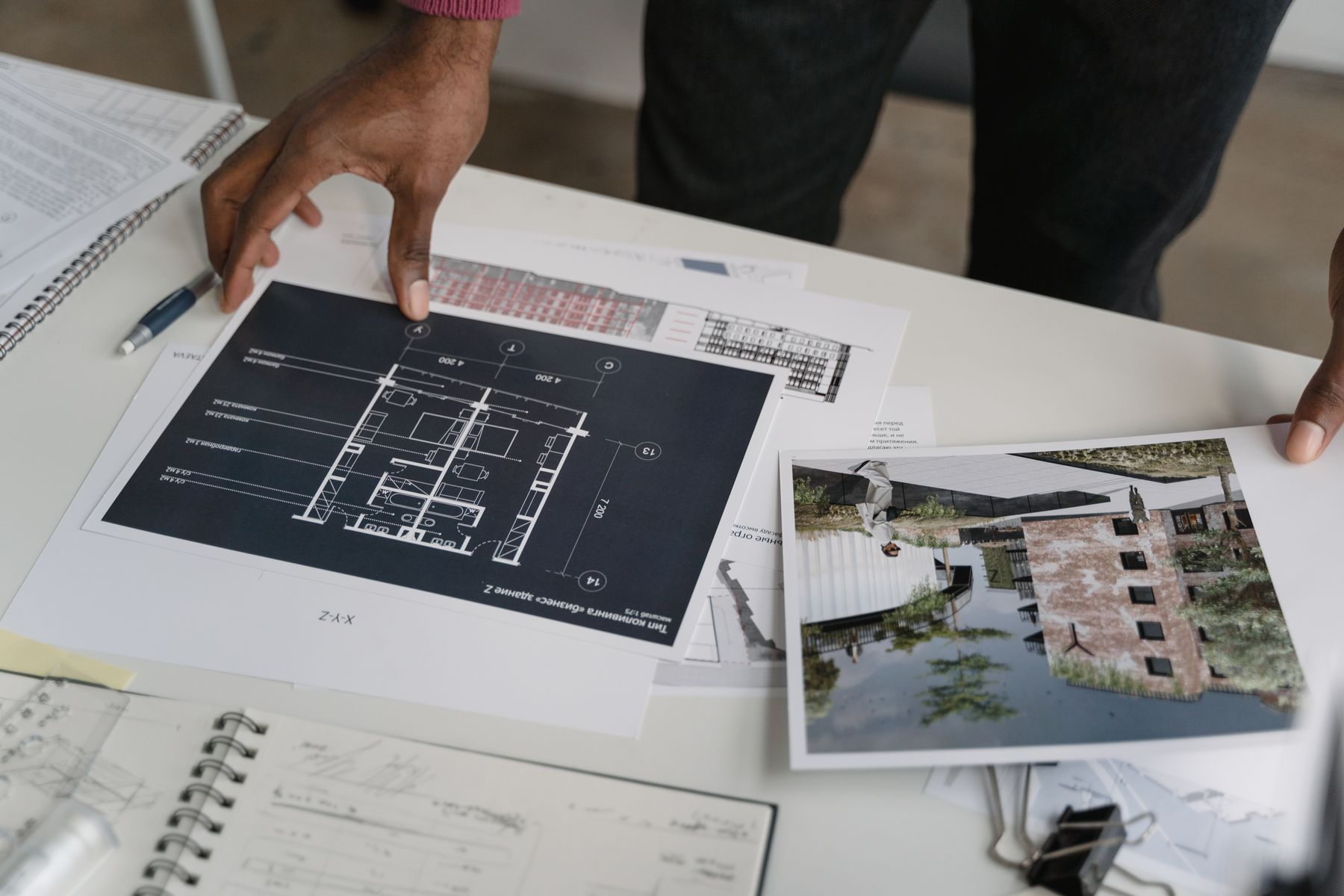





On most large capital projects, the owner bears the greatest exposure. It is the owner’s capital, the owner’s reputation with its board, lenders and public, and the owner’s operational plans that depend on the finish. Yet on many programs, the owner’s understanding of status comes almost entirely from reports prepared by the contractors and consultants it has engaged.
That is not a criticism of those parties. Contractors report from their own vantage point, with their own commercial pressures. Designers report on design. Each view is legitimate and partial. The owner is the only party whose interest spans the whole program, and it needs its own line of sight to match.
What owner-side controls are
Owner-side controls are the people, processes and tools an owner uses to understand, test and govern its program independently. They do not duplicate the contractor’s controls. They sit above them, integrating the separate views into one picture and asking the questions no single party is positioned to ask.
- An integrated master schedule connecting design, approvals, procurement, construction, commissioning and operational readiness
- Independent review of contractor baselines and updates against specification
- Cost and contingency control from the owner’s perspective, including scope the contractors do not carry
- A single, consistent change process with clear authority and impact assessment
- Reporting to the board and lenders that the owner controls and can defend
Why this matters more now
Several trends have made owner-side controls more important. Programs are larger and more interconnected, with multiple contractors whose interfaces belong to no one but the owner. Critical paths increasingly run through owner-held activities, from utility agreements to equipment purchases to regulatory approvals. And boards and lenders expect clearer, more frequent and more defensible reporting than ever.
An owner that relies solely on contractor reporting will often learn about interface risks last, because they fall between contracts. It will find it difficult to challenge a schedule it has never independently tested. And when a dispute arises, it may discover that its own record is thinner than the contractor’s.
The party carrying the most risk should never be the last to see it.
Independence without obstruction
Effective owner-side controls are firm but not adversarial. Their purpose is not to catch contractors out. It is to ensure that everyone is working from a credible plan and an accurate picture of progress. The best owner teams build working relationships with contractor controls staff, agree data standards early and resolve differences in the schedule before they become differences in a claim.
This balance matters. An owner’s controls function that is perceived as hostile will receive minimal cooperation and late data. One that is perceived as rigorous and fair raises the standard of the whole program.
Getting the governance right
Controls are only as effective as the governance they serve. Clear decision rights, defined thresholds for escalation, and a regular rhythm of review meetings with the right people present turn controls information into action. Without governance, even excellent reporting becomes an archive.
- Define who can approve changes at each level of cost and schedule impact
- Set clear triggers for escalation, based on float and forecast as well as dates
- Establish a monthly review where the sponsor sees the integrated picture
- Keep a contemporaneous record of decisions and their basis
- Review the controls framework itself as the program moves through phases
Building the capability
Some owners build these capabilities in-house. Others engage an independent controls partner, either to stand up the function or to run it alongside a lean internal team. Many use a combination, retaining strategic oversight while drawing on specialist capacity for schedule review, risk analysis and forensic work when needed. The right model depends on the size of the portfolio and the owner’s long-term plans.
Start before the contracts are signed
The most valuable time to establish owner-side controls is before the main contracts are let. Scheduling specifications, reporting requirements, data standards and change procedures written into the contracts give the owner a right to the information it needs. Added later, the same requirements become negotiations. An owner that defines what good controls look like at procurement stage spends the rest of the program receiving it.
Whatever the model, the principle is constant. An owner that can see its own program clearly, test what it is told and act early on what it sees is an owner that rarely gets surprised. On a capital program, that is worth a great deal more than it costs.